
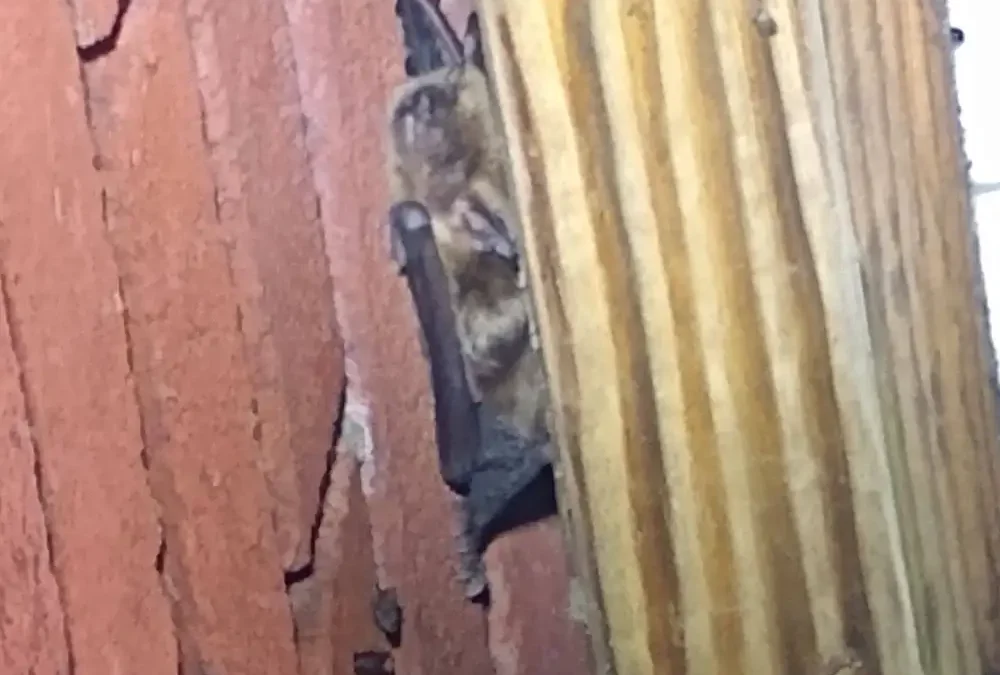
Bats in Your Attic as Fall Arrives: What Central PA Homeowners Need to Know
As temperatures drop across Central Pennsylvania, bats start looking for one thing: a warm, dry place to wait out winter. Attics, soffits, and chimneys are ideal hibernation spots — which means late summer through fall is when homeowners across Lewisburg, Selinsgrove, Danville, and Elysburg start hearing scratching, squeaking, and fluttering overhead. If that’s happening in your home right now, you’re not alone, and there’s a right way (and several wrong ways) to handle it.
Signs You May Have Bats in Your Attic
Bats are quiet compared to squirrels or raccoons, but there are usually a few telltale signs:
- Faint scratching or high-pitched squeaking in the walls or ceiling at dusk or dawn
- Small dark staining or rub marks around roof vents, soffits, or gable ends (from body oils as bats squeeze through entry points)
- Bats seen flying in or out of the roofline around sunset
- A persistent musty or ammonia-like odor in the attic
If you’re noticing any of these, it’s worth having the situation assessed before winter sets in — waiting until spring often means a larger colony and more entry points to seal.
Pennsylvania Law Makes Timing Matter
Several bat species found in Pennsylvania, including the little brown bat and the endangered tricolored bat, receive some level of state or federal protection, and bat exclusion work is legally restricted during the summer maternity season when flightless pups are present. That’s actually part of why fall is one of the best windows for professional bat exclusion — the pups have matured and can fly, but the colony hasn’t yet settled into deep winter hibernation. Acting now, rather than waiting until spring, keeps the process both effective and compliant.
Why DIY Bat Removal Usually Fails (or Backfires)
It’s tempting to seal up an entry point yourself once you stop seeing bats, but a few things commonly go wrong:
- Sealing bats inside. Closing the main entry without confirming every bat has left traps animals inside the attic — leading to odor, additional damage, and a much harder removal later.
- Missing secondary entry points. A colony rarely uses just one gap. DIY sealing often closes the obvious spot while leaving two or three others open.
- Health risk. Bats can carry rabies, and direct contact — even a scratch you don’t notice — should always be evaluated. Wildlife should never be handled directly.
This is exactly the kind of job professional wildlife exclusion is built for: a full inspection to find every entry point, not just the one that’s obvious from the ground.
Hearing activity in your attic right now? Contact ZWS Wildlife Solutions for a fall inspection before the colony settles in for winter.
What Professional Bat Exclusion Looks Like
At Zimmerman Wildlife Solutions, bat removal is handled as an exclusion process, not a one-time trap-and-remove job:
- A full exterior inspection to identify every active and potential entry point
- Installation of one-way exclusion devices that let bats leave to feed at night but prevent them from re-entering
- Sealing of all identified gaps once the colony has vacated, using materials suited to Central PA’s climate
- A final inspection to confirm the attic is fully secured before winter
Because timing and technique both matter with a protected species, this isn’t a job for store-bought traps or spray repellents — both are largely ineffective against bats and can create bigger problems than they solve.
Don't Wait Until Spring
Every fall we hear from homeowners who noticed the signs back in September but waited, hoping the bats would leave on their own. By spring, the colony is often larger, and the same job takes more time and effort to complete. If you’re hearing activity now, this is the window to address it.
Ready to get your attic sealed before winter? Schedule your inspection with ZWS Wildlife Solutions — trusted by Central PA homeowners since 2006. You can also browse our full range of wildlife removal and exclusion services if you’re dealing with more than one type of unwanted guest this season.
Frequently Asked Questions (FAQ)
Q: Is it illegal to remove bats in Pennsylvania?
A: Not illegal outright, but timing is regulated. Several Pennsylvania bat species have summer maternity-season protections, which is why fall exclusion (after pups can fly, before hibernation) is often the ideal window.
Q: Will bats come back to the same attic every year?
A: Yes — bats are highly loyal to a hibernation site and will return year after year unless every entry point is fully sealed by a professional.
Q: How much does bat exclusion cost in Central PA?
A: Cost depends on the the number of entry points, and the structure of your home. Contact us for a personalized inspection and estimate — every property is different.